

Back pain is one of the most common reasons people come to see us. If you are currently suffering, the reassuring news is that most back pain is not caused by anything serious and settles with the right care and a little time.
“Back pain is a major health problem in the UK, with around 9.5 million people experiencing low back pain each year.”
When you are in the middle of an episode of back pain, it can feel very worrying as well as painful. Many of you will know I have had more than my fair share of back issues, so you can rest assured I understand how difficult back pain can be, both as an osteopath and, on a personal level, as a patient.
This guide explains the common causes of back pain, the signs that mean you should seek help sooner rather than later, and how osteopathy can help you recover and stay well. If you would rather just talk to someone, we are here in the centre of Tunbridge Wells and happy to help.
Online booking, open Saturdays, in the centre of Tunbridge Wells
Understanding back pain
Back pain is extremely common. It can range from a dull, nagging ache to a sharp, sudden pain, and it can come on gradually or all at once. If you are dealing with it, you are far from alone.
“Back pain is extremely common — around 80% of people will experience it at some point in their lifetime.”
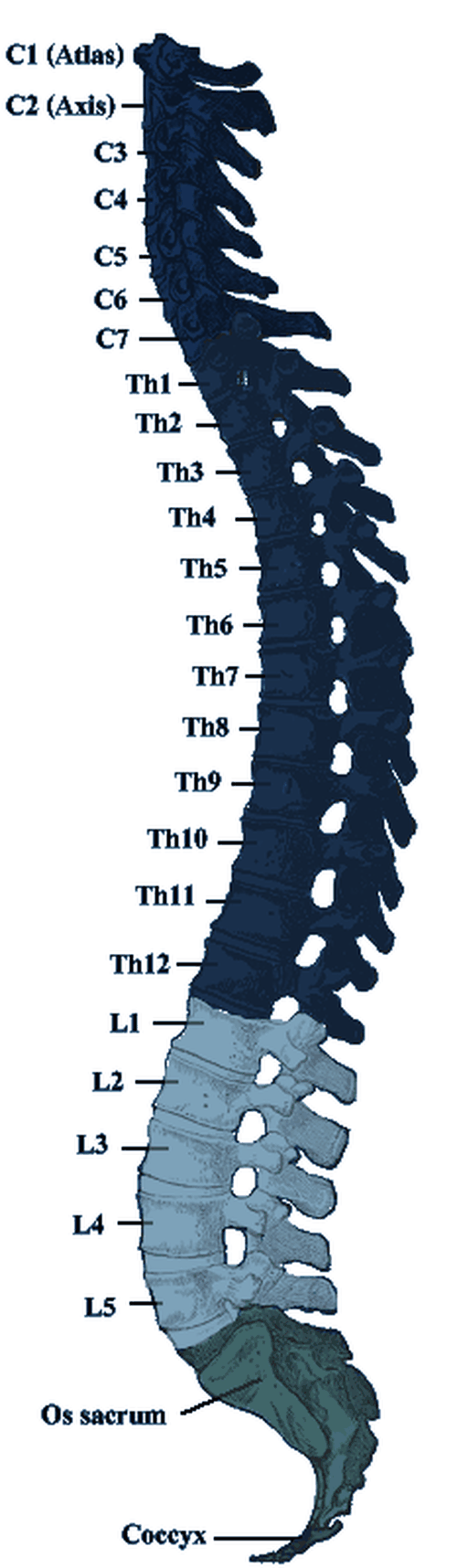
Back pain is often described by where it sits:
- Lower back pain (the lumbar region) is the most common. This is the area most people mean when they say they have put their back out. It used to be diagnosed as lumbago.
- Upper and mid-back pain (the thoracic region) sits between the shoulder blades and higher up the spine.
- Neck pain (the cervical region) is closely related and something we also treat.
What causes back pain?
Most back pain is what we call mechanical, meaning it comes from the muscles, joints, ligaments and discs of the back rather than from any serious underlying illness. Common triggers include:
- Muscle or ligament strain from lifting, bending or twisting awkwardly.
- Poor posture, especially from long hours sitting at a desk or driving.
- Sudden movements or minor injuries, for example during gardening, sport or day-to-day tasks.
- Wear and tear in the joints and discs of the spine as we get older.
- Sometimes a problem with a disc, or irritation of a nerve, which can cause pain to travel into the leg.
Causes can also differ from person to person, and some are specific to women, including hormonal changes in pregnancy.
Relaxin is a female hormone that increases after ovulation to ‘relax’ the uterus to accept implantation. A knock-on effect of this increase is that ligaments, tendons and muscles relax, making women more susceptible to back pain and other joint strains at this time.
During pregnancy, relaxin levels increase right from the first trimester through to delivery. This change can make back pain more likely, due to the increase in ligamentous laxity.
More can be read on relaxin and its effect on back pain in Dr Stephen Sandler’s PhD thesis:
Source: Sandler, Stephen Eric (2006). Changes in joint laxity associated with the menstrual cycle, with pregnancy, with the post-partum period, and with the menopause. PhD thesis, The Open University. Chapter Four: The Pregnancy Study, page 116. Available via Open Research Online
When back pain needs urgent attention
The vast majority of back pain is not dangerous and is often categorised as non-specific low back pain, which means that there is mechanical back pain but no underlying serious cause. A small number of symptoms in addition to low back pain can point to something more concerning that needs prompt medical assessment.
So-called red flag symptoms in healthcare raise concerns and require further medical investigation. They are rare, but are worth being aware of and include the following:
- cancer
- unexplained weight loss, high temperature or feeling unwell
- history of immunosuppression
- history of HIV or tuberculosis
- prolonged use of steroids
- intravenous drug use
- urinary tract infection
- severe and worsening pain that is not relieved by rest
- significant trauma, for example a fall from height or a car crash
- bladder or bowel incontinence
- urinary retention
- a throbbing sensation in the abdomen, or pain that is constant and unrelated to movement
If you have any of the above alongside low back pain, you should ask for an urgent GP appointment, or call 111 for advice.
Cauda Equina Syndrome
Cauda equina syndrome is a rare but serious condition that can occur with low back pain and requires immediate medical attention, as urgent surgery may be needed. The NHS has instigated a national cauda equina pathway to ensure best practice is followed throughout the UK.
Source: NHS national cauda equina pathway (Getting It Right First Time)
Cauda equina is the Latin name for a horse’s tail, and describes the collection of nerves at the base of the spine which supply the legs, bladder, bowel and the skin of the saddle area, becoming compressed at the base of the spine.
Symptoms of cauda equina syndrome include:
- difficulty controlling your bladder or bowels
- difficulty starting urination
- saddle anaesthesia, that is a lack of sensation in the genital area
- numbness, tingling or weakness in one or both legs that is severe or getting worse
Although rare, these symptoms can occur and should be investigated immediately at A&E.
If you are ever unsure, it is always better to get checked. We would far rather you were seen and reassured than left worrying.
Lower back pain
Lower back pain is the most common form of back pain we treat. It often comes on after lifting something heavy, a sudden awkward movement, or simply from the accumulated strain of daily life and posture. In most cases it eases within a few weeks, and staying gently active tends to help recovery more than resting in bed.
A common local trigger we see is gardening. A season of digging, weeding and lifting can easily leave your lower back complaining. We have a dedicated guide to preventing and easing gardening-related back pain.
Upper and mid back pain
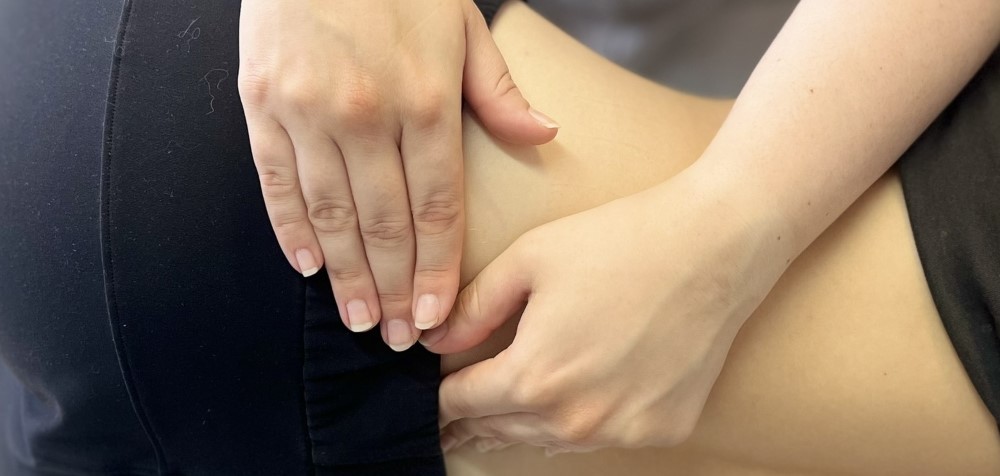
Pain higher up the back, between or around the shoulder blades, is often linked to posture, prolonged sitting, or muscular tension, and it is common among people who work long hours at a desk. It is usually mechanical and settles with treatment and movement.
Occasionally, people worry that pain between the shoulder blades signals a heart problem. This is uncommon, but if upper back or chest pain comes on suddenly with breathlessness, sweating, or pain spreading to the arm or jaw, treat it as an emergency and call 999.
How osteopathy can help your back pain
We allow an hour for your first appointment and begin by taking a full history, including how this episode of low back pain started and movements that may make it better or worse, as well as any previous incidents of low back pain you may have suffered.
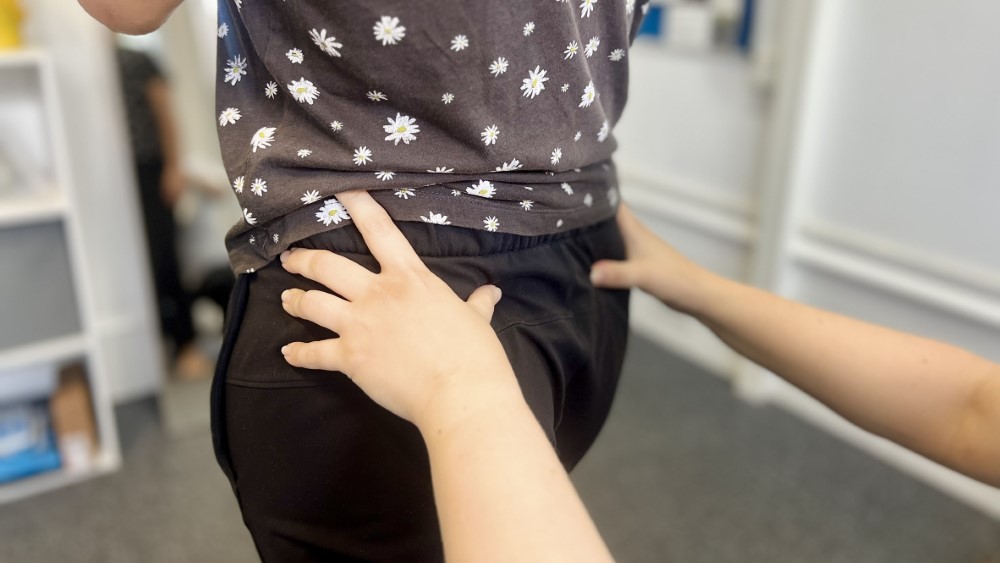
We will then ask you to perform a few simple standing stretches so we can observe your posture and see how your back moves, to understand what might be driving your pain. Osteopathic treatment is a hands-on manual therapy, so we then move on to examination, whereby your back will be examined, as well as other joints that may have an impact on your low back, such as the hips and knees.
We will then formulate and explain our diagnosis and how we believe osteopathic treatment may help. Each treatment is individual and tailored to you, and may include gentle joint articulation and manipulation, soft tissue techniques to release tight muscles, and advice on posture, movement and exercises to support your recovery. Some of our osteopaths also use dry needling alongside their hands-on treatment to further release restricted joints and tight muscles.
Osteopathy is well suited to mechanical back pain. This is supported by national guidance:
NICE recommends considering manual therapy — including spinal manipulation, mobilisation or soft tissue techniques such as massage — but only as part of a treatment package that also includes exercise, with or without psychological therapy.
Where your symptoms suggest something that needs further investigation or another kind of care, we will tell you honestly and help you find the right next step.
Ready to get your back sorted?
Appointments in central Tunbridge Wells, with Saturday availability
What you can do to help yourself
Alongside treatment, a few simple things genuinely help most back pain:
- Keep moving. Gentle activity and short walks usually help more than bed rest, even though resting can feel tempting.
- Use heat or cold. A warm bath, hot water bottle or ice pack can ease muscle tension and discomfort.
- Stay at, or return to, your normal activities as much as your pain allows.
- Over-the-counter pain relief can help in the short term if it is suitable for you. A pharmacist can advise.
Back pain: frequently asked questions
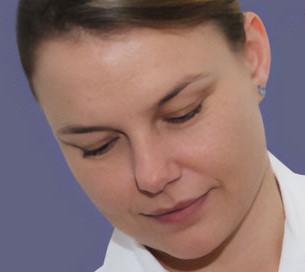
Written by Caroline Jack, Registered Osteopath
Caroline Jack is a registered osteopath based in Tunbridge Wells, Kent, with over 16 years of clinical experience. She treats a wide range of musculoskeletal conditions including back pain, sports injuries and repetitive strain. Caroline is registered with the General Osteopathic Council (GOsC number 7385) and is a member of the Institute of Osteopathy. Caroline joined the faculty of University College of Osteopaths (now Health Sciences University) in 2023 as a clinic tutor, educating and mentoring final-year students.
Medically reviewed by Caroline Jack. Last reviewed: 28th August 2026


